A heat pump is a mechanical device designed to transfer heat from one location to another in order to regulate indoor temperature. Unlike traditional heating systems that generate heat by burning fuel or using electric resistance, heat pumps move existing heat from one place to another. This process makes them an efficient option for both heating and cooling indoor spaces.
The primary purpose of a heat pump is to maintain comfortable indoor temperatures throughout the year. During colder months, it extracts heat from outdoor sources and transfers it indoors. During warmer months, the process reverses, removing heat from indoor air and releasing it outside. Because of this dual function, heat pumps serve as both heating systems and air conditioners.
The main difference between heat pumps and traditional heating systems lies in how they produce warmth. Conventional heating systems, such as furnaces or electric heaters, create heat through combustion or electrical resistance. Heat pumps, on the other hand, operate by transferring heat energy rather than producing it directly. This approach requires significantly less energy because moving heat is more efficient than generating it from scratch.
At the core of heat pump technology is a simple principle heat naturally flows from warmer areas to cooler ones. However, with the help of mechanical work and refrigerant cycles, heat pumps can reverse this natural flow and move heat from colder environments to warmer ones. This capability allows them to provide efficient heating even when outdoor temperatures are relatively low.
How Heat Pumps Work
Heat Transfer Principle
The operation of a heat pump is based on the principle of heat transfer. Heat naturally moves from areas of higher temperature to areas of lower temperature. A heat pump uses mechanical energy to reverse this process, enabling it to capture heat from a cooler environment and deliver it to a warmer space.
In heating mode, the system collects heat from an external source such as outdoor air, ground, or water, and transfers it into the building. In cooling mode, the system works in reverse, removing heat from indoor air and releasing it outdoors. This ability to reverse the heat transfer process allows heat pumps to function as both heaters and air conditioners.
The Refrigeration Cycle
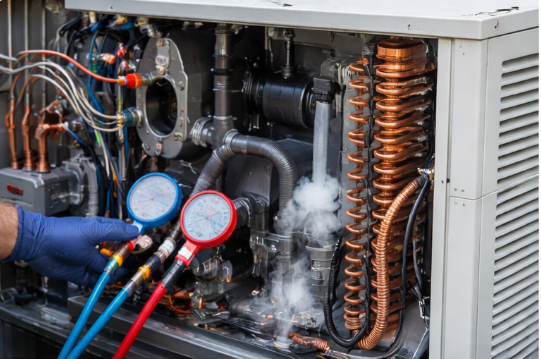
Heat pumps rely on a refrigeration cycle similar to the one used in refrigerators and air conditioners. This cycle involves a special fluid called refrigerant that circulates through a closed loop of pipes and coils.
The refrigerant undergoes changes in pressure and temperature throughout the cycle. When the refrigerant expands, it becomes very cold and absorbs heat from the surrounding environment. When it is compressed, it becomes hot and releases heat into another area.
This continuous process of absorbing and releasing heat allows the heat pump to transfer thermal energy efficiently from one location to another.
Main Components
Several key components work together to make a heat pump function effectively:
Compressor
The compressor is often considered the heart of the system. It circulates the refrigerant throughout the system while increasing its pressure and temperature. This step prepares the refrigerant to release heat during the condensation process.
Evaporator Coil
The evaporator coil absorbs heat from the surrounding environment. As refrigerant passes through this coil, it evaporates from a liquid into a gas while capturing heat from the air, ground, or water source.
Condenser Coil
The condenser coil releases heat into the indoor space during heating mode. When the refrigerant condenses back into a liquid, it releases the heat it previously absorbed.
Expansion Valve
The expansion valve controls the flow of refrigerant and reduces its pressure before it enters the evaporator. This pressure drop allows the refrigerant to cool significantly and absorb heat again.
Reversing Valve
The reversing valve allows the system to switch between heating and cooling modes by changing the direction of refrigerant flow. This component is what enables heat pumps to function as both heaters and air conditioners.
Types of Heat Pumps
Air-Source Heat Pumps
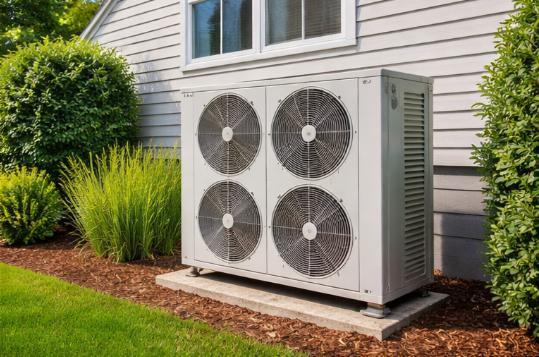
Air-source heat pumps are the most common type used in residential buildings. These systems transfer heat between indoor air and outdoor air. In winter, they extract heat from outdoor air and bring it inside the home. In summer, they reverse the process and remove heat from indoor air.
Because they are relatively affordable and easier to install than other types, air source heat pumps account for the majority of residential installations worldwide.
Ground-Source (Geothermal) Heat Pumps
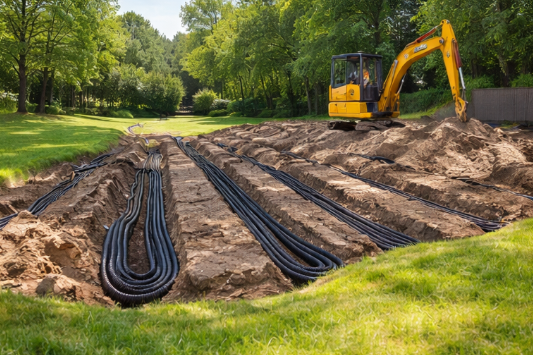
Ground-source heat pumps, also known as geothermal heat pumps, use the stable temperatures beneath the Earth’s surface to exchange heat. Underground temperatures remain relatively constant throughout the year, which allows these systems to operate efficiently in both heating and cooling modes.
These systems require underground pipes called ground loops that circulate fluid to absorb or release heat. While installation costs are typically higher, geothermal heat pumps are known for their exceptional energy efficiency and long lifespan.
Water-Source Heat Pumps
Water-source heat pumps transfer heat between a building and a nearby body of water, such as a lake, river, or pond. Because water temperatures remain relatively stable compared to air temperatures, these systems can be very efficient.
Water-source heat pumps are commonly used in large commercial buildings, campuses, and residential developments located near reliable water sources.
Key Features and Specifications
When evaluating heat pump systems, several performance metrics and technical specifications are used to measure efficiency and capacity.
Heating Capacity (BTU)
Heating capacity is typically measured in British Thermal Units (BTU). It represents the amount of heat the system can deliver to a space within a specific period.
Coefficient of Performance (COP)
The coefficient of performance measures the efficiency of a heat pump during heating or cooling operation. It represents the ratio of heat delivered to the electrical energy consumed. In many cases, heat pumps can achieve COP values greater than one because they transfer heat rather than generate it directly.
Seasonal Energy Efficiency Ratio (SEER)
SEER measures the cooling efficiency of the system over an entire cooling season. A higher SEER rating indicates better energy efficiency.
Heating Seasonal Performance Factor (HSPF)
HSPF measures the heating efficiency of a heat pump over the course of a heating season. Higher HSPF values indicate greater energy efficiency.
Modern heat pumps often include advanced technologies such as variable speed compressors and inverter driven systems. These technologies allow the system to adjust its output to match heating or cooling demands, improving comfort and reducing energy consumption. Smart thermostats and automated control systems can also optimize system performance and energy savings.
Energy Efficiency and Environmental Impact
One of the major advantages of heat pumps is their high energy efficiency. Because they transfer heat rather than generate it, heat pumps can deliver several units of heat for every unit of electricity consumed.
This efficiency leads to reduced energy consumption compared to conventional heating systems such as electric resistance heaters or fuel based furnaces. As a result, heat pumps can significantly lower greenhouse gas emissions when powered by electricity from renewable sources.
Additionally, modern heat pump systems often use environmentally friendly refrigerants that minimize damage to the ozone layer and reduce environmental impact. For these reasons, heat pumps play an important role in sustainable building design and energy efficient construction.
Installation Considerations
Several factors must be considered when installing a heat pump system.
Climate conditions play a major role in determining system performance. Air source heat pumps may experience reduced efficiency in extremely cold climates, although newer models designed for cold regions can operate effectively at lower temperatures.
Property size and heating or cooling requirements must also be evaluated to ensure the system is properly sized. An undersized system may struggle to maintain comfortable temperatures, while an oversized system may cycle on and off frequently, reducing efficiency.
For geothermal and water source heat pumps, the availability of land or water sources is another important factor. Installing underground loops or water systems requires adequate space and environmental suitability.
Electrical capacity and compatibility with existing HVAC infrastructure must also be assessed during installation.
Maintenance and Care
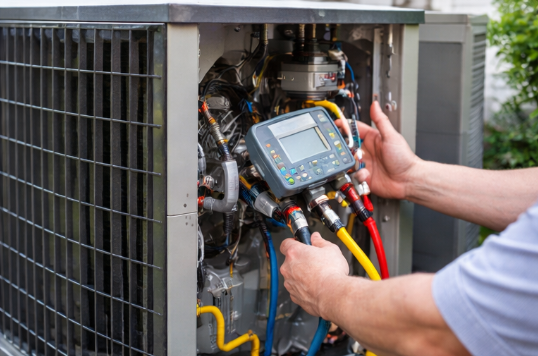
Regular maintenance is essential for ensuring the efficiency and longevity of heat pump systems. Homeowners and technicians should perform routine maintenance tasks such as cleaning or replacing air filters to maintain proper airflow.
The outdoor unit should also be checked periodically for debris, leaves, or other blockages that could interfere with airflow. Coils and fans should be cleaned to maintain efficient heat transfer.
Additionally, refrigerant levels should be inspected regularly to ensure the system operates at optimal performance. Professional servicing by HVAC technicians is recommended at least once a year to detect potential issues early and maintain system reliability.
Advantages and Limitations
Advantages
Heat pumps offer several benefits that make them attractive for residential and commercial use. One of their most notable advantages is their ability to provide both heating and cooling in a single system. This dual functionality reduces the need for separate heating and cooling equipment.
Heat pumps are also highly energy efficient, which can lead to lower utility costs and reduced environmental impact. In addition, they provide consistent indoor comfort because they operate continuously at lower power levels rather than cycling on and off frequently.
Limitations
Despite their benefits, heat pumps also have some limitations. Air-source heat pumps may experience reduced efficiency in extremely cold climates because there is less heat available in outdoor air.
The installation cost for some systems, particularly geothermal heat pumps, can be higher than traditional HVAC systems. Proper system design and professional installation are also critical, as incorrect sizing or installation can reduce efficiency and performance.
Common Issues and Troubleshooting
Like any HVAC system, heat pumps can experience operational issues over time.
One common problem is reduced heating or cooling performance, which may result from dirty filters, blocked airflow, or low refrigerant levels. Frozen outdoor units can also occur during winter operation, especially in humid conditions.
Unusual noises or vibrations may indicate loose components, fan issues, or compressor problems. In some cases, thermostat or control system malfunctions can prevent the system from operating correctly.
Refrigerant leaks are another potential issue that requires immediate professional repair, as they can significantly reduce system efficiency and damage the environment.
Conclusion
Heat pumps are versatile and efficient systems that provide both heating and cooling for residential and commercial buildings. By transferring heat rather than generating it, these systems offer significant energy savings and environmental benefits.
Understanding how heat pumps work, the different types available, and the key performance ratings such as COP, SEER, and HSPF can help homeowners and building managers choose the most suitable system for their needs.
With proper installation and regular maintenance, heat pumps can provide reliable indoor comfort for many years while supporting energy efficiency and sustainable building practices.