
An air handler, often referred to as an Air Handling Unit (AHU), is a key component of many heating, ventilation, and air conditioning (HVAC) systems. Its primary role is to circulate and regulate air throughout a building as part of the heating or cooling process. While the air handler itself does not typically generate heating or cooling, it works closely with other HVAC components such as heat pumps, air conditioners, or furnaces to distribute conditioned air throughout indoor spaces.
In a typical HVAC setup, the air handler pulls air from inside the building, conditions it by passing it through various components, and then sends it back through ductwork into different rooms. This process helps maintain comfortable indoor temperatures and ensures consistent air circulation.
Air handlers are often confused with air conditioners or furnaces, but they serve different purposes. An air conditioner’s outdoor condenser unit is responsible for releasing heat outside, while the air handler manages airflow inside the building. Similarly, a furnace generates heat, whereas the air handler distributes the heated air throughout the space.
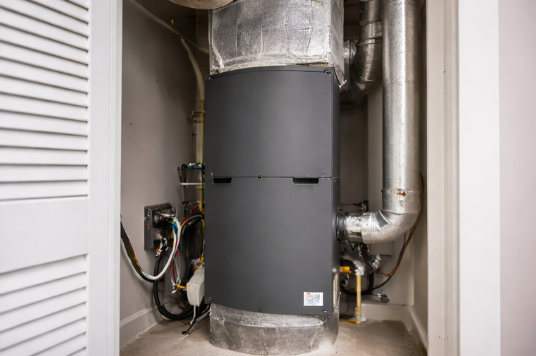
Air handlers are commonly installed in areas such as utility closets, attics, basements, or mechanical rooms, depending on the building’s design and available space. Their location is chosen to allow efficient connection to ductwork and easy maintenance access.
Main Components of an Air Handler
An air handler consists of several important parts that work together to circulate and condition indoor air.
Blower Motor and Fan
The blower motor and fan assembly is responsible for moving air through the HVAC system and distributing it throughout the building. When the system is running, the blower pulls air through return ducts and pushes it through the air handler before sending it into the supply ducts.
Blower motors come in different types:
-
- Single speed motors, which operate at one constant speed
-
- Multi speed motors, which allow several airflow levels
-
- Variable speed motors, often called ECM (Electronically Commutated Motors), which automatically adjust airflow based on the system’s needs
Variable speed motors are considered the most energy efficient because they can adjust airflow gradually rather than switching on and off abruptly. This helps maintain consistent indoor temperatures while reducing energy consumption.
Evaporator (Cooling) Coil
The evaporator coil is responsible for absorbing heat from indoor air during the cooling process. It works together with the outdoor condenser unit in a split air conditioning system.
As warm indoor air passes over the coil, refrigerant inside the coil absorbs heat from the air. This heat is then transferred outside through the condenser unit. During this process, the air becomes cooler before being circulated back into the home.
The evaporator coil also plays an important role in humidity control. As warm air cools on the coil surface, moisture condenses into water droplets. This helps remove excess humidity from indoor air, improving comfort and indoor air quality.
Heating Element (Optional)
Some air handlers include electric resistance heating elements, often referred to as heating strips. These elements provide additional heat when needed.
Heating strips are commonly used in heat pump systems. During very cold weather, heat pumps may require supplemental heating to maintain comfortable indoor temperatures. In such cases, the electric heating elements activate to provide extra warmth.
Air Filter
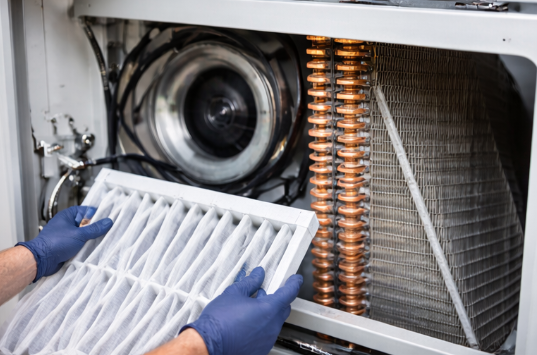
The air filter is a simple yet essential part of an air handler. Its purpose is to capture dust, pollen, pet dander, and other airborne particles before the air circulates through the HVAC system.
Air filters help protect internal components from dirt buildup while also improving indoor air quality. However, clogged filters can restrict airflow, reduce efficiency, and strain the blower motor.
Because of this, air filters should typically be replaced every one to three months, depending on usage and environmental conditions.
Drain Pan and Condensate Line
When the evaporator coil removes humidity from indoor air, the resulting moisture collects in a drain pan located beneath the coil. The water then flows out of the system through a condensate drain line.
This drainage system is important for preventing water damage, mold growth, and humidity problems. If the drain line becomes clogged, water can overflow and cause damage to surrounding areas.
How an Air Handler Works
An air handler operates through a continuous cycle of air circulation and conditioning. The process generally follows these steps:
-
- Return air enters the system through return ducts connected to various rooms in the building.
-
- The air passes through the air filter, which removes dust and airborne particles.
-
- The filtered air then moves across the evaporator coil, where it is cooled (or heated depending on the system).
-
- The blower fan pushes the conditioned air into supply ducts, distributing it throughout the building.
-
- During cooling, moisture condenses on the evaporator coil and drains away through the condensate system.
This cycle repeats continuously while the system operates.
The air handler also plays an important role in temperature regulation. When the thermostat signals that the indoor temperature needs adjustment, the HVAC system activates, and the air handler distributes the conditioned air accordingly.
Additionally, the condensation process helps reduce humidity levels, making indoor spaces feel more comfortable, especially during warm and humid weather.
Types of Air Handlers
Air handlers come in several different designs depending on their intended application.
Residential Air Handlers
Residential air handlers are designed for homes and smaller buildings. They are usually compact and commonly paired with heat pumps.
These systems may be installed in vertical or horizontal configurations, depending on the available space. For example, vertical units are often installed in closets or basements, while horizontal units are commonly placed in attics.
Commercial Air Handling Units
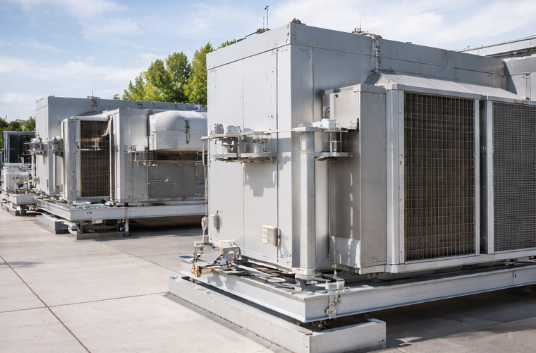
Commercial air handling units are much larger and more complex than residential systems. They are used in buildings such as offices, hospitals, shopping centers, and schools.
These systems often have modular designs, allowing them to handle larger volumes of air. They may also include advanced features such as enhanced filtration systems, humidity control, ventilation systems, and energy recovery components.
Multi-Position Air Handlers
Multi-position air handlers offer greater installation flexibility because they can be installed either vertically or horizontally.
This design allows HVAC professionals to adapt the system to different building layouts and space limitations.
Air Handler vs. Other HVAC Components
Many homeowners mistakenly believe that the air handler itself is responsible for cooling a home. In reality, the air handler is only one part of a larger HVAC system.
For example:
-
- The air conditioner’s outdoor condenser releases heat outside.
-
- The heat pump or furnace provides heating.
-
- The air handler circulates and distributes conditioned air throughout the building.
Without the air handler, conditioned air would not move effectively through the duct system.
Energy Efficiency and Performance Factors
Several factors influence the efficiency and performance of an air handler and the HVAC system it supports.
One important factor is the SEER (Seasonal Energy Efficiency Ratio) rating, which measures the cooling efficiency of the entire system. Another is the HSPF (Heating Seasonal Performance Factor) used for heat pump systems.
Modern air handlers often use variable-speed blower motors, which adjust airflow gradually based on demand. This improves efficiency, reduces noise, and maintains more consistent temperatures.
Proper system sizing is also critical. If an air handler is too small, it may struggle to circulate enough air. If it is too large, it may cycle on and off too frequently, reducing efficiency and comfort.
The design and insulation of ductwork also play a major role in system performance. Poorly sealed ducts can lead to significant energy loss.
Maintenance Requirements
Regular maintenance is essential to keep an air handler operating efficiently.
Routine maintenance tasks include:
-
- Replacing or cleaning air filters every one to three months
-
- Inspecting and cleaning the evaporator coil
-
- Clearing the condensate drain line
-
- Checking the blower motor and fan components
Certain warning signs may indicate that maintenance is needed, including:
-
- Weak airflow from vents
-
- Unusual noises from the system
-
- Increased energy bills
- Water leaks around the unit
Common Issues and Troubleshooting
Like any HVAC component, air handlers may experience issues over time.
Some common problems include:
Frozen evaporator coils – Often caused by restricted airflow or low refrigerant levels.
Clogged drain lines – Can lead to water leaks and possible system shutdown.
Blower motor failure – Prevents proper air circulation throughout the building.
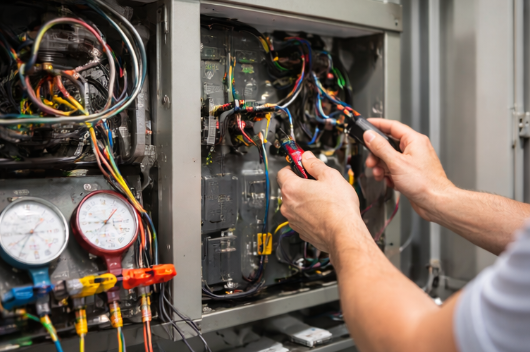
Electrical control problems – May prevent the system from turning on or responding to thermostat settings.
While homeowners can perform basic maintenance tasks such as replacing filters, more complex issues should be handled by a licensed HVAC technician for safety and proper repair.
Importance of Proper Installation
Correct installation is essential for the long term performance of an air handler.
HVAC professionals typically perform a Manual J load calculation to determine the appropriate system size based on the building’s heating and cooling requirements.
Proper airflow balancing, duct sealing, and equipment placement also help maximize efficiency and ensure even temperature distribution.
Improper installation can reduce system efficiency, increase energy costs, and shorten the equipment’s lifespan.
Lifespan and Replacement Considerations
Most air handlers have an average lifespan of 10 to 15 years, though this can vary depending on several factors.
Factors affecting longevity include:
-
- Regular maintenance practices
-
- Frequency of system usage
-
- Environmental conditions such as humidity and dust levels
Over time, components may wear out, and system efficiency may decline. Some indicators that replacement may be necessary include frequent repairs, rising energy costs, and reduced airflow performance.
Upgrading to a newer system can often provide improved energy efficiency and better indoor comfort.
Conclusion
Air handlers play a crucial role in modern HVAC systems by circulating and distributing conditioned air throughout buildings. While they do not produce heating or cooling on their own, they work together with other HVAC components to maintain comfortable indoor temperatures and improve air quality.
Understanding how air handlers function, their components, and the importance of proper maintenance can help homeowners and building managers ensure efficient operation and long term reliability.
With proper installation and regular servicing, air handlers can provide consistent airflow, improved indoor comfort, and reliable performance for many years.