
A hybrid heat system, often referred to as a dual fuel HVAC system, is a modern heating solution that combines two different technologies: a heat pump and a gas furnace. These two systems work together to provide efficient heating throughout the year by using the most appropriate energy source based on outdoor conditions.
In traditional HVAC systems, a home typically relies on a single heating source, such as a gas furnace or an electric heating system. Hybrid heat systems improve on this approach by integrating the strengths of both technologies. The heat pump handles heating during mild temperatures, while the gas furnace provides additional heating power when the weather becomes very cold.
The primary purpose of hybrid heating systems is to increase energy efficiency and comfort. By automatically switching between electricity and gas depending on which option is more efficient at a given time, the system can reduce overall energy consumption and maintain consistent indoor temperatures.
As homeowners become more focused on energy savings and environmental sustainability, hybrid heat systems are becoming increasingly popular in residential HVAC installations. Many modern homes and HVAC upgrades now consider dual-fuel systems as a practical and efficient heating solution.
Basic Concept of Hybrid Heating
The concept behind hybrid heating is relatively simple: combine two different heating methods so the system can use the most efficient energy source under different conditions.
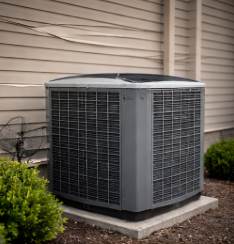
A heat pump works by transferring heat from the outdoor air into the home rather than generating heat directly. This process is very efficient when outdoor temperatures are moderate. However, when temperatures drop significantly, heat pumps become less efficient because there is less heat available in the outside air to extract.
This is where the gas furnace becomes important. Gas furnaces generate heat through combustion and can produce strong, consistent heating regardless of how cold it is outside.
A hybrid system continuously monitors outdoor temperature and indoor comfort levels. When temperatures are mild, the system relies on the heat pump to heat the home efficiently. When temperatures fall below a certain point, the system automatically switches to the gas furnace.
This intelligent switching allows the system to maintain comfort while minimizing energy use and operating costs.
Main Components of a Hybrid Heat System
Hybrid heating systems consist of several components that work together to deliver efficient heating and cooling.
Heat Pump
The heat pump is a central part of the hybrid system. It functions as both a heating and cooling unit.
During colder seasons, the heat pump extracts heat from the outdoor air and transfers it indoors. In warmer seasons, it reverses the process and removes heat from inside the home to provide cooling.
Heat pumps are highly efficient in moderate temperatures because they move heat rather than producing it through combustion or electric resistance.
Gas Furnace
The gas furnace acts as the secondary heating source in a hybrid system. When outdoor temperatures become too low for the heat pump to operate efficiently, the furnace automatically activates.
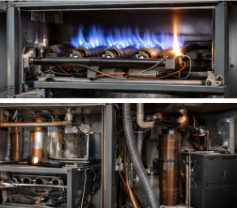
Gas furnaces generate heat by burning natural gas or propane in a controlled combustion chamber. This allows them to produce strong and reliable heating even during very cold weather conditions.
Thermostat and Smart Controls
The thermostat plays a crucial role in managing the hybrid heating system. Modern hybrid systems typically use programmable or smart thermostats that monitor indoor and outdoor temperatures.
These controls determine when to switch between the heat pump and the furnace. Smart thermostats may also allow homeowners to adjust temperature schedules, monitor energy usage, and control the system remotely.
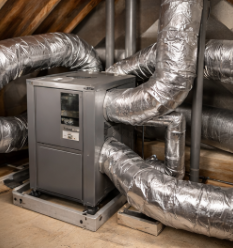
Air Handler and Blower
The air handler and blower motor are responsible for circulating conditioned air throughout the home. Once air is heated by either the heat pump or the furnace, the blower pushes the warm air through the duct system and into different rooms.
Proper airflow ensures even temperature distribution and helps maintain comfort across the entire home.
Ductwork System
The ductwork system acts as the pathway that delivers heated or cooled air to each room. It connects the heating equipment to supply vents located throughout the house.
Well-designed ductwork is essential for efficient system performance. Leaks or poorly designed ducts can reduce airflow and decrease overall energy efficiency.
How a Hybrid Heat System Works
Hybrid heat systems operate through an automated process that allows them to choose the most efficient heating method.
Step-by-Step Operation
- Thermostat Detects Temperature Changes
- The heating process begins when the thermostat senses that the indoor temperature has fallen below the desired setting.
- Heat Pump Operates During Mild Weather
- If outdoor temperatures are moderate, the system activates the heat pump. The heat pump extracts heat from the outdoor air and transfers it inside the home.
- System Monitors Outdoor Conditions
- Sensors continuously monitor outdoor temperature to determine whether the heat pump remains efficient.
- Furnace Activates When Temperatures Drop
- When outdoor temperatures fall below a certain threshold, the system switches to the gas furnace to provide stronger heating.
- Warm Air Circulates Through the Home
- The blower motor pushes heated air through the ductwork and into living spaces.
- System Shuts Off at Desired Temperature
- Once the thermostat detects that the indoor temperature has reached the desired level, the system stops heating.
Key Processes
Heat Transfer in Heat Pumps
Heat pumps move heat from one place to another using refrigerant and compressors. This process requires less energy than generating heat directly.
Combustion in Gas Furnaces
Gas furnaces produce heat through the combustion of natural gas or propane, generating powerful heating even in extreme cold.
Automatic Energy Switching
The system automatically selects the most efficient heating method based on temperature conditions and energy efficiency.
Advantages of Hybrid Heat Systems
Hybrid heating systems offer several advantages compared to traditional single-fuel heating systems.
Energy Efficiency
Hybrid systems improve energy efficiency by using electricity when it is more effective and switching to gas only when necessary.
Lower Energy Costs
Because the system optimizes energy use, homeowners often experience reduced heating costs compared to relying solely on a furnace or electric heating system.
Consistent Home Comfort
By combining two heating technologies, hybrid systems can maintain stable indoor temperatures throughout the year.
Environmental Benefits
Using a heat pump during mild conditions reduces fossil fuel consumption and can lower greenhouse gas emissions associated with home heating.
Ideal Applications for Hybrid Heating
Hybrid heat systems are particularly effective in regions with moderate winters and changing temperatures.
They work well in:
- Homes located in climates where temperatures fluctuate throughout the season
- Houses that already have ductwork installed
- Residential properties seeking improved energy efficiency
In extremely cold climates where temperatures remain below freezing for long periods, the furnace may operate more frequently. However, hybrid systems still provide flexibility and efficiency benefits.
Installation Considerations
Installing a hybrid heat system requires careful planning to ensure optimal performance.
Key installation factors include:
- Proper system sizing, which is typically determined through a heating load calculation
- Compatibility with existing ductwork to ensure proper airflow
- Placement of the outdoor heat pump unit for efficient operation
- Availability of gas lines for furnace operation
- Professional installation by qualified HVAC technicians
Incorrect installation can reduce efficiency and lead to operational problems.
Maintenance Requirements
Routine maintenance is essential to keep hybrid heating systems operating efficiently.
Routine Maintenance Tasks
Common maintenance tasks include:
- Replacing air filters regularly
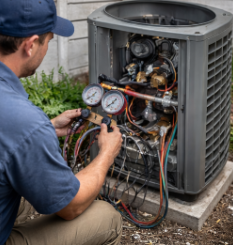
- Inspecting heat pump components
- Checking furnace burners and heat exchanger
- Cleaning blower fans and coils
- Monitoring refrigerant levels
Professional Maintenance
Homeowners should also schedule annual HVAC inspections. Professional technicians can perform system diagnostics, inspect electrical components, and ensure safe operation.
Seasonal maintenance checks help identify potential issues before they develop into major problems.
Common Issues and Warning Signs
Like any HVAC system, hybrid heat systems may experience operational issues over time.
Some common warning signs include:
- Reduced heating efficiency
- Inconsistent indoor temperatures
- Unusual noises from the equipment
- Frequent switching between heating modes
- Increasing energy bills
If these issues occur, professional inspection may be necessary to identify the underlying cause.
Lifespan of Hybrid Heat Systems
Hybrid heating systems typically have a lifespan similar to other HVAC equipment.
- Heat pumps generally last around 10 to 15 years.
- Gas furnaces can last 15 to 20 years with proper maintenance.
Several factors influence system longevity, including:
- Regular maintenance
- Proper installation
- Climate conditions
- Frequency of system use
Proper care and timely repairs can significantly extend the life of the system.
Energy Efficiency and Cost Considerations
Compared to traditional furnace-only systems, hybrid heat systems often provide improved energy efficiency and cost savings.
Because the heat pump handles heating during moderate temperatures, the gas furnace is used less frequently. This reduces fuel consumption and may lower utility costs.
Although hybrid systems may require a higher initial investment, the potential long term energy savings and improved efficiency can offset installation costs over time.
Safety and Indoor Comfort
Safety and indoor comfort are important considerations for hybrid heating systems.
Gas furnaces rely on combustion, so proper system design and maintenance are essential to ensure safe operation.
Homeowners should install carbon monoxide detectors to detect any potential gas leaks or combustion problems.
Proper ventilation, airflow, and air filtration also contribute to healthier indoor air quality by reducing dust, allergens, and other airborne particles.
Conclusion
Hybrid heat systems represent an innovative approach to home heating by combining the efficiency of heat pumps with the reliability of gas furnaces. This dual fuel design allows the system to adapt to changing weather conditions and choose the most efficient energy source available.
With proper installation and regular maintenance, hybrid heating systems can provide reliable comfort, improved energy efficiency, and reduced heating costs. As homeowners continue to prioritize sustainability and energy efficiency, hybrid HVAC systems are becoming an increasingly important solution for modern residential heating.