
A gas furnace is a heating system designed to warm indoor spaces by burning fuel typically natural gas or propane to generate heat. It is one of the most common heating solutions used in residential HVAC systems, especially in colder climates where reliable heating is essential during winter months.
The primary role of a gas furnace in a home heating system is to produce warm air and distribute it throughout the house using a network of ducts and vents. When the indoor temperature drops below the desired level set on the thermostat, the furnace automatically activates and begins generating heat to maintain comfort inside the home.
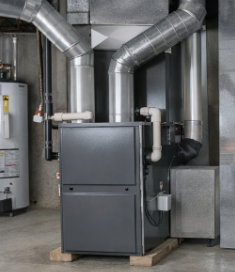
Gas furnaces are typically installed in locations where they can safely operate and connect to ductwork and venting systems. Common installation locations include basements, attics, garages, or utility closets, depending on the home’s layout and available space.
Gas furnaces differ from electric furnaces mainly in the way they generate heat. Gas furnaces burn fuel to produce heat, which tends to be more energy efficient and cost effective in areas where natural gas is readily available. Electric furnaces, on the other hand, rely on electrical heating elements to produce warmth. While electric furnaces are generally simpler to install and maintain, gas furnaces usually provide stronger heating performance and lower long term operating costs in many regions.
Main Components of a Gas Furnace
A gas furnace consists of several important components that work together to safely and efficiently generate heat and distribute it throughout the home.
Thermostat
The thermostat acts as the control center for the heating system. It monitors the indoor temperature and compares it to the temperature setting chosen by the homeowner. When the room temperature falls below the set point, the thermostat sends a signal to the furnace to start the heating cycle. Once the desired temperature is reached, the thermostat signals the system to shut off.
Modern thermostats may be programmable or smart, allowing users to schedule heating cycles and improve energy efficiency.
Burners
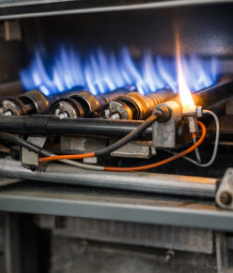
The burners are responsible for producing heat through combustion. They mix natural gas or propane with air and ignite the mixture to create a controlled flame. This flame generates heat that is transferred to the heat exchanger.
In modern furnaces, electronic ignition systems are commonly used instead of traditional pilot lights, making the system more energy efficient and safer.
Heat Exchanger
The heat exchanger is a critical component that transfers heat from the combustion process to the air that circulates through the home. It is typically made of durable metal designed to withstand high temperatures.
The heat exchanger ensures that combustion gases such as carbon monoxide remain separated from the indoor air supply. This separation is essential for maintaining safe indoor air quality.
Blower Motor
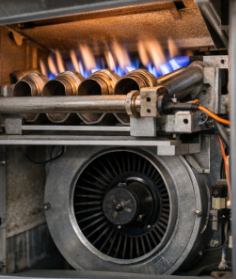
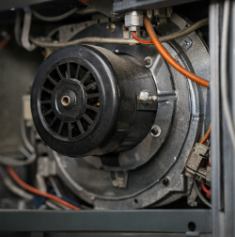
The blower motor powers a fan that pushes heated air through the furnace and into the home’s ductwork. Once the air passes through the heat exchanger and becomes warm, the blower circulates it through vents in different rooms, distributing heat evenly throughout the house.
The blower continues running until the thermostat detects that the desired indoor temperature has been reached.
Flue or Venting System
The flue or venting system removes combustion gases produced during the heating process and safely directs them outdoors. These gases may include carbon dioxide, water vapor, and small amounts of carbon monoxide.
High efficiency furnaces often use PVC vent pipes instead of traditional metal chimneys. These systems rely on special venting designs to safely remove exhaust gases while maximizing energy efficiency.
Safety Controls
Gas furnaces are equipped with multiple safety controls to ensure safe operation.
Key safety components include:
-
- Flame sensor: Detects whether the burner flame is present. If the flame goes out unexpectedly, the sensor shuts off the gas supply to prevent gas buildup.
-
- Limit switch: Prevents overheating by shutting down the furnace if internal temperatures become too high.
-
- Pressure switch: Ensures proper airflow through the venting system before allowing the burners to operate.
These safety devices help protect both the furnace and the occupants of the home.
How a Gas Furnace Works
A gas furnace operates through a carefully controlled heating cycle designed to provide consistent warmth while maintaining safety.
Step-by-Step Heating Cycle
-
- Thermostat Detects Temperature Drop
-
- The heating cycle begins when the thermostat senses that the indoor temperature has fallen below the set level.
-
- Gas Valve Opens and Burners Ignite
-
- The thermostat sends a signal to the furnace control board, which opens the gas valve. Gas flows to the burners, and an ignition system lights the burners to begin combustion.
-
- Heat Exchanger Warms Up
-
- The burner flames heat the heat exchanger, allowing it to transfer heat to the surrounding air.
-
- Blower Fan Distributes Heated Air
-
- Once the heat exchanger reaches the proper temperature, the blower motor activates and pushes warm air through the duct system and into the living spaces.
-
- Exhaust Gases Vent Outside
-
- Combustion gases are safely expelled through the flue or venting system.
-
- System Shuts Off
- When the thermostat senses that the desired temperature has been reached, it signals the furnace to shut off. The burners stop, and the blower may continue running briefly to distribute remaining heat.
Key Processes Involved
Combustion Process
The combustion process involves burning natural gas or propane in a controlled environment to produce heat energy.
Airflow Circulation
Air from the home is pulled into the furnace, heated as it passes the heat exchanger, and then distributed through the duct system.
Safety Monitoring
Throughout the heating cycle, sensors and safety switches constantly monitor temperature, airflow, and flame stability to ensure safe operation.
Types of Gas Furnaces
Gas furnaces come in several types, each offering different levels of efficiency and temperature control.
Single-Stage Furnace
A single-stage furnace operates with only one heating output level full capacity. When it turns on, it runs at maximum power until the thermostat setting is reached.
These systems are simple and affordable but may produce noticeable temperature fluctuations.
Two-Stage Furnace
A two-stage furnace operates at two different heat levels: a lower setting for mild heating needs and a higher setting for colder conditions.
This design improves temperature consistency, reduces energy consumption, and increases comfort.
Modulating Furnace
A modulating furnace provides the most precise temperature control. It can adjust its heating output in small increments to maintain a steady indoor temperature.
These furnaces operate more quietly and efficiently, although they typically cost more initially.
Condensing vs. Non-Condensing Furnaces
Condensing furnaces are high efficiency systems with an AFUE rating of 90% or higher. They capture additional heat from exhaust gases that would otherwise be wasted.
Non-condensing furnaces typically have an AFUE rating of around 80% and vent hotter exhaust gases through a metal flue.
Efficiency Ratings and Energy Use
Gas furnace efficiency is measured using AFUE (Annual Fuel Utilization Efficiency).
AFUE indicates how much of the fuel consumed by the furnace is converted into usable heat.
Examples include:
-
- 80% AFUE: 80% of the fuel becomes heat, while 20% is lost through exhaust.
-
- 90% AFUE: 90% of the fuel is converted into heat.
-
- 95% AFUE: Only 5% of energy is wasted, making it highly efficient.
Higher efficiency furnaces use less fuel to produce the same amount of heat, which can significantly reduce heating costs over time.
However, proper furnace sizing is equally important. A furnace that is too large may cycle on and off frequently, while an undersized furnace may struggle to heat the home effectively.
Fuel Types
Gas furnaces can operate using different fuel sources depending on location and infrastructure.
Natural Gas
Natural gas is the most common fuel used in gas furnaces. It is delivered through underground pipelines and is typically more affordable and convenient for homeowners.
Propane
Propane is commonly used in rural areas where natural gas pipelines are not available. It is stored in tanks located outside the home and delivered periodically by fuel suppliers.
Although propane furnaces operate similarly to natural gas systems, they require specific burners and regulators designed for propane fuel.
Installation Considerations
Proper installation is essential for safe and efficient furnace operation.
Key installation factors include:
-
- Proper sizing: HVAC professionals use a Manual J load calculation to determine the correct furnace size for the home.
-
- Venting requirements: The furnace must have appropriate venting to safely remove combustion gases.
-
- Gas line capacity: The gas supply line must be large enough to support the furnace’s fuel requirements.
-
- Clearance and safety codes: Adequate spacing around the unit must comply with building codes.
-
- Ductwork compatibility: The existing duct system must be capable of handling the airflow produced by the furnace.
Incorrect installation can reduce efficiency and create safety hazards.
Maintenance Requirements
Routine maintenance helps gas furnaces operate efficiently and safely.
Important maintenance tasks include:
-
- Replacing air filters every 1–3 months to maintain proper airflow.
-
- Inspecting burners and flame quality to ensure proper combustion.
-
- Checking the heat exchanger for cracks or corrosion.
-
- Cleaning blower components to prevent dust buildup.
-
- Scheduling an annual professional inspection to identify potential issues early.
Regular maintenance can improve system efficiency, reduce energy costs, and extend the furnace’s lifespan.
Common Issues and Warning Signs
Gas furnaces may develop problems over time. Some common warning signs include:
-
- Uneven heating between rooms
-
- Short cycling, where the furnace frequently turns on and off
-
- Yellow burner flame, which may indicate incomplete combustion (a healthy flame is typically blue)
-
- Unusual noises, such as banging or rattling
-
- Increased gas bills without a clear explanation
Safety Note: Carbon Monoxide
Gas furnaces produce carbon monoxide (CO) during combustion. While normally vented outdoors, a malfunctioning furnace or cracked heat exchanger could allow this dangerous gas to enter the home.
Installing carbon monoxide detectors in key areas of the house is essential for early detection and safety.
Lifespan and Replacement
The typical lifespan of a gas furnace is 15 to 20 years, though some systems may last longer with proper care.
Several factors influence furnace durability:
-
- Regular maintenance
-
- Frequency of use
-
- Quality of installation
-
- Overall system design
Signs that a furnace may need replacement include frequent repairs, rising energy bills, inconsistent heating, and advanced system age.
Safety and Indoor Air Quality
Gas furnaces must operate safely to protect both the home and its occupants.
Key safety considerations include:
Combustion Safety
Ensuring proper fuel combustion and venting prevents harmful gases from accumulating indoors.
Carbon Monoxide Prevention
Regular inspections and functioning CO detectors help reduce the risk of exposure.
Ventilation
Adequate airflow and ventilation support proper furnace operation and maintain indoor air quality.
Air Filtration
High quality air filters remove dust, allergens, and other airborne particles, improving indoor air conditions while protecting furnace components.
Conclusion
Gas furnaces remain one of the most reliable and widely used heating solutions for residential homes. By burning natural gas or propane, these systems generate heat that is distributed throughout the house using ductwork and ventilation systems.
Understanding the components, operation, and efficiency ratings of gas furnaces helps homeowners make informed decisions about installation, maintenance, and upgrades. With proper sizing, regular maintenance, and attention to safety features, a gas furnace can provide efficient and dependable heating for many years.